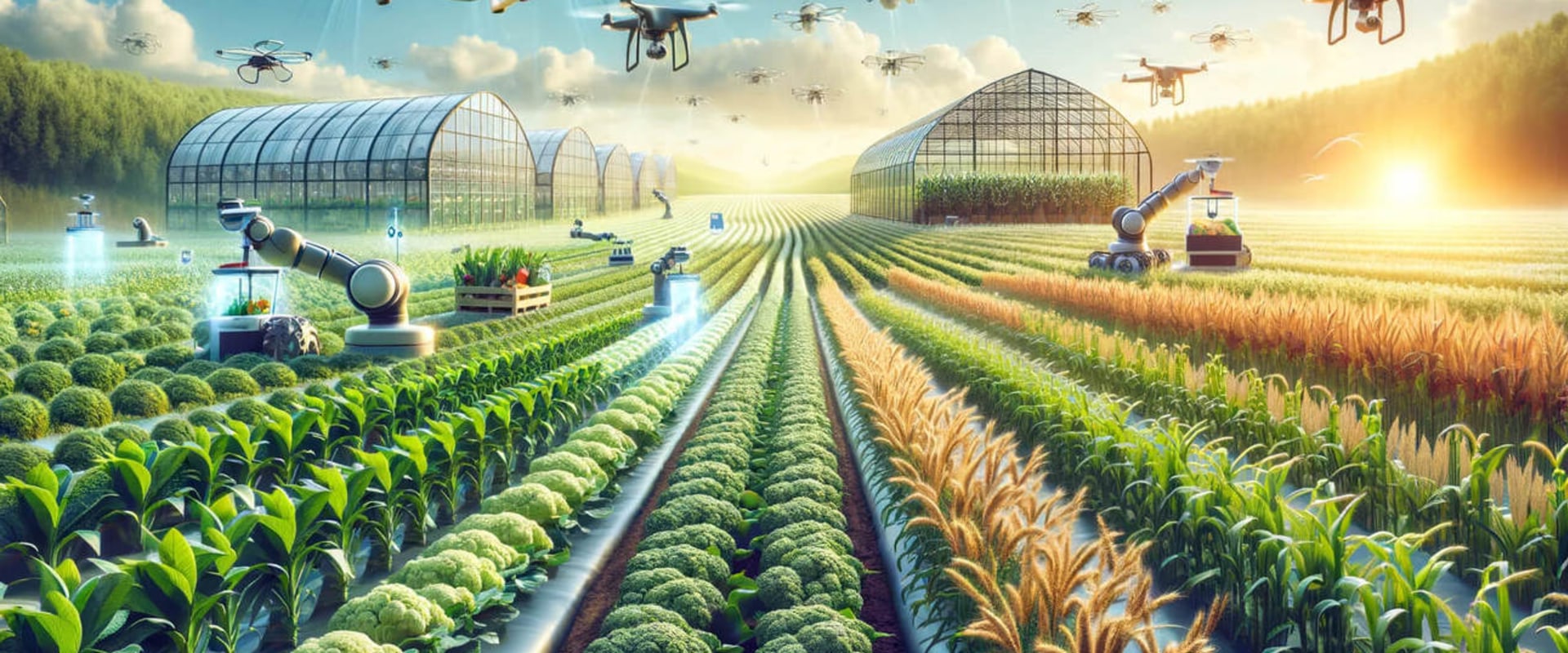
Sustainable farming represents a transformative approach to agriculture that prioritizes environmental health, economic viability, and social equity. As the global population continues to rise, the demand for food increases, placing immense pressure on our agricultural systems. Traditional farming practices often lead to soil degradation, water scarcity, and loss of biodiversity. In contrast, sustainable farming seeks to balance the need for food production with the necessity of preserving our natural resources for future generations.At the heart of this movement is the integration of technology in agriculture.
Innovations such as precision farming, data analytics, and biotechnology are revolutionizing how we cultivate crops and manage resources. These technologies enable farmers to make informed decisions that enhance productivity while minimizing environmental impact. For instance, precision agriculture utilizes GPS and IoT devices to monitor field variability in real-time, allowing farmers to apply water, fertilizers, and pesticides more efficiently. This not only reduces waste but also promotes healthier ecosystems.The impact of technology on farming extends beyond mere efficiency; it fosters a deeper understanding of agricultural systems.
By leveraging data-driven insights, farmers can adopt practices that improve soil health, conserve water, and enhance biodiversity. Moreover, technology facilitates collaboration among farmers, researchers, and policymakers, creating a community focused on sustainable practices. As we delve deeper into the relationship between technology and sustainable farming, it becomes clear that embracing these advancements is essential for achieving long-term agricultural sustainability.
Understanding Sustainable Farming
Sustainable farming
is an agricultural approach that seeks to meet the needs of the present without compromising the ability of future generations to meet their own needs. This method emphasizes the importance of maintaining ecological balance, promoting biodiversity, and ensuring the health of the environment while also supporting economic viability and social equity.At its core, sustainable farming is built on several key principles:
- Soil Health: Sustainable practices prioritize soil fertility and structure, utilizing techniques such as crop rotation, cover cropping, and reduced tillage to enhance soil organic matter and microbial activity.
- Biodiversity: By promoting a diverse range of crops and livestock, sustainable farming systems can improve resilience against pests and diseases, reduce dependency on chemical inputs, and enhance ecosystem services.
- Water Conservation: Efficient water management practices, such as drip irrigation and rainwater harvesting, are essential in sustainable agriculture to minimize water waste and protect local water resources.
- Energy Efficiency: Sustainable farms often incorporate renewable energy sources and energy-efficient technologies to reduce their carbon footprint and reliance on fossil fuels.
- Community Engagement: Sustainable farming encourages local food systems and supports community involvement, ensuring that agricultural practices align with the needs and values of local populations.
- Environmental Protection: Sustainable farming practices help mitigate climate change by reducing greenhouse gas emissions, enhancing carbon sequestration in soils, and preserving natural habitats.
- Economic Viability: By reducing input costs through efficient resource use and improving crop yields over time, sustainable farming can lead to increased profitability for farmers.
- Social Equity: Sustainable agriculture promotes fair labor practices and supports rural communities by creating jobs and fostering local economies.
By embracing these principles and practices, farmers can contribute to a healthier planet while ensuring their own long-term success. The transition to sustainable methods not only benefits individual farms but also plays a vital role in addressing global challenges such as food security, climate change, and biodiversity loss.
Technological Innovations in Sustainable Farming
In recent years, the landscape of sustainable farming has been dramatically reshaped by a wave of technological innovations. These advancements not only enhance productivity but also promote environmentally friendly practices that are essential for the future of agriculture. Below, we explore some of the most impactful technologies that are driving this transformation.Precision Agriculture
One of the cornerstones of modern sustainable farming is precision agriculture.This approach utilizes data analytics and technology to optimize field-level management regarding crop farming. By employing GPS technology, farmers can monitor their fields with remarkable accuracy, allowing them to apply water, fertilizers, and pesticides only where needed. This targeted application reduces waste and minimizes environmental impact.
Smart Sensors
Smart sensors
play a crucial role in precision agriculture. These devices collect real-time data on soil moisture, temperature, and nutrient levels.
By analyzing this data, farmers can make informed decisions about irrigation and fertilization schedules. For instance, soil moisture sensors can alert farmers when crops need watering, preventing over-irrigation and conserving water resources.
Drones in Agriculture
The use of drones has emerged as a game-changer in sustainable farming practices. Equipped with high-resolution cameras and sensors, drones can survey large areas of farmland quickly and efficiently. They provide valuable insights into crop health by capturing images that reveal variations in plant growth and stress levels.This aerial perspective allows farmers to identify problem areas early on and take corrective actions before issues escalate.
Automated Machinery
Automation is another significant trend in sustainable agriculture. Automated machinery , such as robotic harvesters and autonomous tractors, reduces the need for manual labor while increasing efficiency. These machines can operate with precision, minimizing soil compaction and reducing fuel consumption. Furthermore, they can work around the clock, ensuring that crops are harvested at optimal times.Data Management Platforms
Finally, data management platforms are essential for integrating various technologies used in sustainable farming.These platforms allow farmers to collect, analyze, and visualize data from multiple sources—such as sensors, drones, and weather forecasts—enabling them to make data-driven decisions that enhance sustainability.In conclusion, the integration of these technological innovations into sustainable farming practices not only boosts productivity but also ensures that agricultural methods are environmentally responsible. As technology continues to evolve, its role in promoting sustainability will only become more critical.
The Role of Data Analytics in Sustainable Agriculture
In the realm of sustainable farming, data analytics has emerged as a transformative force, enabling farmers to make informed decisions that enhance productivity while minimizing environmental impact. By harnessing the power of big data, agricultural stakeholders can optimize resource use, improve crop yields, and promote sustainability across their operations.Data analytics in farming involves the systematic collection and analysis of various data points, including soil health, weather patterns, crop performance, and market trends. This information is crucial for developing strategies that align with sustainable practices.For instance, by analyzing soil data, farmers can determine the specific nutrient needs of their crops, allowing for targeted fertilization that reduces waste and enhances soil health.One of the primary benefits of data-driven farming is the ability to implement precision agriculture techniques. These methods utilize data analytics to apply inputs such as water, fertilizers, and pesticides more efficiently. For example:
- Soil Moisture Monitoring: Sensors can provide real-time data on soil moisture levels, enabling farmers to irrigate only when necessary, thus conserving water.
- Yield Prediction: By analyzing historical yield data alongside current environmental conditions, farmers can forecast crop performance and make adjustments to their management practices accordingly.
- Pest and Disease Management: Data analytics can help identify patterns in pest outbreaks or disease occurrences, allowing for timely interventions that minimize chemical use.
By leveraging big data, farmers are not only able to increase their operational efficiency but also contribute to a more sustainable future for agriculture. As technology continues to evolve, the potential for data-driven farming will only expand, offering new opportunities for enhancing both productivity and environmental stewardship.
Soil Health and Fertility Management through Technology
Maintaining soil health and fertility is a cornerstone of sustainable farming, and technology plays an increasingly vital role in achieving these goals. By leveraging advanced tools and techniques, farmers can monitor and manage soil conditions more effectively, ensuring that their practices not only enhance productivity but also protect the environment.One of the most significant advancements in soil management is the use of soil sensors. These devices provide real-time data on various soil parameters, including moisture levels, temperature, pH, and nutrient content.By utilizing this information, farmers can make informed decisions about irrigation, fertilization, and crop selection. For instance, if a sensor indicates low nitrogen levels in the soil, a farmer can apply targeted organic fertilizers to replenish nutrients without over-applying chemicals that could harm the ecosystem.Another effective method for enhancing soil health is the practice of cover cropping. This involves planting specific crops during off-seasons to protect and enrich the soil. Cover crops such as clover or rye not only prevent erosion but also improve soil structure and fertility by adding organic matter when they decompose.
Additionally, they can suppress weeds and reduce pest populations, further contributing to a sustainable farming system.Incorporating organic amendments , such as compost or biochar, is another strategy that technology facilitates. Farmers can use data analytics to determine the optimal types and amounts of organic materials to apply based on their specific soil conditions. This tailored approach enhances microbial activity in the soil, which is crucial for nutrient cycling and overall soil health.Moreover, precision agriculture technologies allow for more efficient use of resources. By employing GPS-guided equipment and variable rate technology (VRT), farmers can apply fertilizers and amendments precisely where needed, minimizing waste and environmental impact.
This not only conserves resources but also promotes healthier soils by preventing nutrient runoff into nearby waterways.In conclusion, the integration of technology into soil health and fertility management is transforming sustainable farming practices. By utilizing tools such as soil sensors, cover crops, and organic amendments, farmers can enhance their soil's vitality while promoting environmental stewardship. As these technologies continue to evolve, they will undoubtedly play an even more critical role in ensuring the sustainability of agricultural systems worldwide.
Water Management Technologies for Sustainable Farming
Water management is a critical component of sustainable farming, as it directly influences crop yield, soil health, and overall farm productivity. With the increasing challenges posed by climate change and water scarcity, adopting advanced water management technologies has become essential for farmers aiming to enhance efficiency and sustainability.One of the most effective methods for optimizing water use in agriculture is through drip irrigation.This system delivers water directly to the plant roots in a controlled manner, minimizing evaporation and runoff. By using a network of tubing and emitters, farmers can ensure that each plant receives the precise amount of water it needs, which not only conserves water but also promotes healthier crop growth. Studies have shown that drip irrigation can reduce water usage by up to 50% compared to traditional irrigation methods.Another innovative approach is rainwater harvesting , which involves collecting and storing rainwater for agricultural use. This method not only provides an alternative water source but also helps reduce dependency on groundwater and surface water supplies.
Farmers can install systems to capture rainwater from rooftops or other surfaces, directing it into storage tanks or reservoirs. This practice not only conserves water but also mitigates the risk of flooding and soil erosion.Additionally, smart irrigation systems are gaining popularity among sustainable farmers. These systems utilize sensors and weather data to determine the optimal times for irrigation, ensuring that crops receive water only when necessary. By integrating technology such as soil moisture sensors and automated controllers, farmers can significantly reduce water waste while maintaining crop health.Moreover, implementing soil moisture management techniques can further enhance water efficiency.
Techniques such as mulching and cover cropping help retain soil moisture, reducing the need for frequent irrigation. By improving soil structure and organic matter content, these practices contribute to better water retention and overall soil health.In conclusion, effective water management technologies are vital for promoting sustainable farming practices. By adopting methods like drip irrigation, rainwater harvesting, smart irrigation systems, and soil moisture management techniques, farmers can optimize their water use while ensuring the long-term viability of their agricultural operations.
Challenges and Solutions in Implementing Technology for Sustainable Farming
Implementing technology in sustainable farming is not without its challenges. Farmers often encounter a variety of obstacles that can hinder the adoption of innovative practices aimed at enhancing sustainability.Understanding these challenges is crucial for developing effective solutions that can facilitate the transition to more sustainable agricultural methods.One of the primary challenges is the high initial cost associated with new technologies. Many farmers, especially those operating on smaller scales, may find it difficult to invest in advanced equipment or software systems that promise to improve efficiency and sustainability. This financial barrier can deter farmers from exploring options that could ultimately lead to long-term savings and environmental benefits.Another significant hurdle is the lack of technical knowledge. Many farmers may not have the necessary training or experience to effectively utilize new technologies.
This gap in knowledge can lead to underutilization or misuse of tools that are designed to enhance sustainable practices. Additionally, the rapid pace of technological advancement can leave some farmers feeling overwhelmed and hesitant to adopt new systems.Furthermore, there is often a resistance to change within the farming community. Traditional farming practices have been passed down through generations, and many farmers may be reluctant to abandon methods that they have relied on for years. This cultural inertia can slow the adoption of sustainable technologies, even when their benefits are clear.To address these challenges, several solutions can be implemented:
- Financial Assistance: Governments and agricultural organizations can provide grants, subsidies, or low-interest loans to help farmers offset the initial costs of adopting new technologies.
- Education and Training: Offering workshops, online courses, and hands-on training sessions can equip farmers with the skills they need to effectively use new technologies.
Collaborations with agricultural extension services can also play a vital role in this educational effort.
- Peer Support Networks: Establishing networks where farmers can share experiences and best practices can foster a sense of community and encourage the adoption of sustainable technologies. Learning from peers who have successfully integrated technology can alleviate fears and build confidence.
- Demonstration Projects: Implementing pilot projects that showcase the benefits of sustainable technologies can provide tangible evidence of their effectiveness. These projects can serve as models for other farmers considering similar changes.
Case Studies: Successful Integration of Technology in Sustainable Farming
In the realm of sustainable farming, numerous case studies highlight how technology can be effectively integrated to enhance productivity while minimizing environmental impact.These real-world examples demonstrate the tangible benefits that farmers can achieve through innovative practices.One notable case is that of the Rodale Institute in Pennsylvania, which has been at the forefront of organic farming research. They implemented a comprehensive system of cover cropping and no-till farming, combined with precision agriculture technologies. By utilizing drone technology for aerial imaging, they can monitor crop health and soil conditions in real-time. This approach not only improves soil health but also increases yields by allowing farmers to make data-driven decisions about irrigation and fertilization.Another inspiring example comes from Blue Sky Farms in California, where the integration of smart irrigation systems has revolutionized water management.
By employing soil moisture sensors and automated irrigation controls, they have reduced water usage by over 30%. This not only conserves a vital resource but also enhances crop resilience during drought conditions, showcasing how technology can lead to more sustainable practices.The Harris Family Farm in Iowa has also embraced technology by utilizing precision planting techniques. By using GPS-guided tractors and variable rate technology, they can optimize seed placement and fertilizer application based on specific field conditions. This method has resulted in a significant reduction in input costs and an increase in overall crop yield, demonstrating the economic viability of sustainable practices.Lastly, the Sustainable Agriculture Research and Education (SARE) program has documented various success stories across the United States.
Farmers participating in this program have adopted technologies such as biological pest control, which reduces reliance on chemical pesticides while maintaining crop health. These case studies illustrate that integrating technology into sustainable farming is not just beneficial for the environment but also enhances farm profitability.These examples underscore the potential of technology to transform traditional farming methods into more sustainable practices, paving the way for a future where agriculture can thrive alongside environmental stewardship.
Future Trends in Technology and Sustainable Farming
As we look to the future, the intersection of technology and sustainable farming is poised to undergo significant transformation. Innovations on the horizon promise to enhance efficiency, reduce environmental impact, and improve crop yields, all while adhering to the principles of sustainable farming.One of the most exciting trends is the rise of precision agriculture. This approach utilizes data analytics, GPS technology, and IoT devices to monitor and manage field variability in crops.By applying resources such as water, fertilizers, and pesticides more precisely, farmers can minimize waste and reduce their ecological footprint. For instance, sensors placed in fields can provide real-time data on soil moisture levels, allowing farmers to irrigate only when necessary.Another promising development is the integration of artificial intelligence (AI) in farming practices. AI can analyze vast amounts of data from various sources—such as weather patterns, soil conditions, and crop health—to provide actionable insights. This technology can help farmers make informed decisions about planting schedules, pest control measures, and resource allocation.
As AI continues to evolve, its applications in sustainable farming will likely expand, leading to more resilient agricultural systems.
Vertical farming
is also gaining traction as a sustainable solution for urban areas. By growing crops in stacked layers or vertically inclined surfaces, this method significantly reduces land use and water consumption compared to traditional farming. Innovations in hydroponics and aeroponics are making it possible to cultivate a wide variety of crops indoors with minimal environmental impact.Moreover, advancements in biotechnology are paving the way for genetically modified organisms (GMOs) that require fewer resources while providing higher yields. These innovations can lead to crops that are more resistant to pests and diseases, reducing the need for chemical interventions.
However, it is crucial that these technologies are developed responsibly and transparently to ensure public trust and acceptance.Finally, the concept of sustainable energy solutions is becoming increasingly relevant in agriculture. The use of renewable energy sources such as solar panels and wind turbines on farms not only reduces reliance on fossil fuels but also lowers operational costs over time. Farmers can harness these technologies to power irrigation systems, greenhouses, and other essential equipment.In conclusion, the future of sustainable farming technology is bright with potential innovations that promise to reshape agricultural practices. By embracing these trends—precision agriculture, AI integration, vertical farming, biotechnology advancements, and sustainable energy solutions—farmers can enhance their productivity while contributing positively to the environment.
Conclusion: The Path Forward for Sustainable Farming with Technology
As we reflect on the transformative journey of sustainable farming through technology, it becomes evident that the integration of innovative tools and practices is not merely an option but a necessity for the future of agriculture.The challenges posed by climate change, soil degradation, and resource scarcity demand a proactive approach that leverages technology to enhance productivity while safeguarding our environment.Throughout this discussion, we have explored various technological advancements that are reshaping the landscape of sustainable agriculture. From precision farming techniques that optimize resource use to data analytics that inform better decision-making, these innovations empower farmers to adopt practices that are both economically viable and environmentally responsible.Moreover, the role of technology in promoting biodiversity cannot be overstated. By utilizing tools such as remote sensing and soil health monitoring, farmers can make informed choices about crop rotation and cover cropping, which are essential for maintaining soil fertility and resilience against pests and diseases.As we move forward, it is crucial for stakeholders in the agricultural sector—farmers, policymakers, researchers, and consumers—to collaborate in fostering an ecosystem that supports sustainable farming. This includes:
- Investing in Education: Providing farmers with access to training and resources on sustainable practices and technology.
- Encouraging Research: Supporting studies that explore new technologies and their applications in sustainable agriculture.
- Promoting Policy Changes: Advocating for policies that incentivize sustainable practices and provide financial support for farmers transitioning to greener methods.
- Building Community Networks: Creating platforms for farmers to share knowledge, experiences, and best practices related to sustainability.
By embracing technology as a vital ally in our quest for sustainability, we can ensure that agriculture not only meets the needs of today but also preserves the planet for future generations. The commitment to sustainable practices is not just about protecting our environment; it is about creating a resilient agricultural system that thrives economically while nurturing the earth. Together, we can cultivate a future where technology and sustainability go hand in hand, leading to a more prosperous and environmentally friendly agricultural landscape.