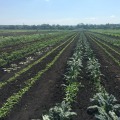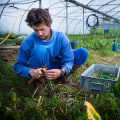
Sustainable farming represents a transformative approach to agriculture that prioritizes the health of our planet while ensuring food security for future generations. In an era marked by climate change, resource depletion, and increasing population demands, the significance of sustainable farming cannot be overstated. This method of agriculture seeks to balance the need for food production with the necessity of preserving our natural ecosystems, making it a crucial component in the fight against environmental degradation.At its core, sustainable farming is about creating agricultural systems that are resilient and capable of thriving in the face of challenges such as droughts, floods, and soil erosion. By employing practices that enhance soil health, conserve water, and reduce reliance on chemical inputs, farmers can cultivate crops in a way that not only meets current needs but also safeguards resources for future use.
The benefits of sustainable farming extend beyond environmental considerations; they also encompass economic viability and social equity, ensuring that farming communities can thrive.Some key sustainable agriculture practices include crop rotation, agroforestry, organic farming, and integrated pest management. These methods promote biodiversity and improve soil structure while minimizing the use of synthetic fertilizers and pesticides. Additionally, sustainable farming encourages local food systems and reduces transportation emissions by sourcing food closer to where it is consumed. As consumers become more aware of their food choices' impact on the environment, the demand for sustainably produced goods continues to rise.In summary, understanding sustainable farming is essential for anyone interested in the future of agriculture.
It is not merely a trend but a necessary evolution in how we produce food. By embracing sustainable practices, we can create a more resilient agricultural landscape that benefits both people and the planet.
The Principles of Sustainable Farming
Sustainable farming is built on a foundation of core principles that guide farmers toward practices that are not only productive but also environmentally responsible. These principles are essential for creating a resilient agricultural system that can withstand the challenges posed by climate change and resource depletion.Resource Conservation
is one of the primary tenets of sustainable farming. This principle emphasizes the efficient use of natural resources, including water, soil, and energy.
Farmers are encouraged to adopt practices such as rainwater harvesting, drip irrigation, and renewable energy sources like solar and wind power. By minimizing waste and maximizing efficiency, farmers can reduce their environmental footprint while maintaining productivity.
Biodiversity
plays a crucial role in sustainable agriculture. A diverse ecosystem not only enhances resilience against pests and diseases but also improves soil health and fertility. Farmers can promote biodiversity by planting a variety of crops, incorporating cover crops, and maintaining natural habitats for beneficial insects and wildlife.
This diversity helps create a balanced ecosystem that supports both agricultural productivity and environmental health.
Soil Health
is another critical aspect of sustainable farming. Healthy soil is the foundation of any successful farm, as it provides essential nutrients for crops and supports water retention. Practices such as crop rotation, reduced tillage, and organic amendments like compost or manure can significantly enhance soil structure and fertility. By prioritizing soil health, farmers can ensure long-term productivity while reducing reliance on synthetic fertilizers.In addition to these principles, sustainable farming methods often incorporate eco-friendly practices that further support environmental stewardship.
For instance, integrated pest management (IPM) strategies focus on using natural predators and biological controls to manage pests rather than relying solely on chemical pesticides. This approach not only protects beneficial organisms but also reduces chemical runoff into surrounding ecosystems.Ultimately, the principles of sustainable farming guide farmers in making decisions that benefit both their operations and the planet. By embracing resource conservation, promoting biodiversity, and enhancing soil health, farmers can contribute to a more sustainable future for agriculture.
Benefits of Sustainable Farming
Adopting sustainable farming practices offers a multitude of benefits that extend beyond the farm itself, positively impacting the economy, environment, and society as a whole. Understanding these advantages is crucial for farmers, consumers, and policymakers alike.Economic Advantages
One of the most compelling reasons to embrace sustainable agriculture is its economic viability.Farmers who implement sustainable practices often experience:
- Reduced Input Costs: By utilizing organic fertilizers, cover crops, and crop rotation, farmers can decrease their reliance on expensive chemical inputs. This not only lowers costs but also enhances soil health over time.
- Diverse Revenue Streams: Sustainable farming encourages diversification of crops and livestock. This can lead to new markets and products, such as organic produce or specialty grains, which can fetch higher prices.
- Increased Resilience: Sustainable farms are generally more resilient to climate change impacts. By fostering biodiversity and improving soil health, these farms can better withstand droughts and floods, ensuring consistent yields.
Environmental Benefits
The environmental impact of sustainable farming is profound.Key benefits include:
- Soil Health Improvement: Practices such as cover cropping and reduced tillage enhance soil structure and fertility, leading to better water retention and nutrient availability.
- Biodiversity Conservation: Sustainable farms often support a wider variety of plants and animals, contributing to ecosystem stability and resilience.
- Water Conservation: Techniques like drip irrigation and rainwater harvesting minimize water usage, protecting this vital resource from depletion.
- Pesticide Reduction: By focusing on integrated pest management (IPM) strategies, sustainable farming reduces the need for harmful chemicals that can contaminate water supplies and harm wildlife.
Social Impacts
The social implications of sustainable farming are equally significant. These practices foster:- Community Engagement: Sustainable farms often prioritize local markets, strengthening community ties and supporting local economies.
- Healthier Food Systems: By producing organic and locally sourced food, sustainable farming contributes to healthier diets for consumers while reducing the carbon footprint associated with food transportation.
- Job Creation: As sustainable agriculture grows, it creates new job opportunities in areas such as organic farming, food processing, and distribution.
Sustainable Farming Techniques
Sustainable farming encompasses a variety of techniques that prioritize environmental health, economic viability, and social equity. Among these methods, organic farming stands out as a prominent approach that avoids synthetic fertilizers and pesticides, relying instead on natural processes to enhance soil fertility and control pests.Organic farming methods include:- Crop Rotation: This technique involves alternating the types of crops grown in a particular area across seasons.
By rotating crops, farmers can prevent soil depletion, reduce pest populations, and improve soil health.
- Composting: Composting is the process of recycling organic matter, such as food scraps and yard waste, into a rich soil amendment. This practice not only enriches the soil but also reduces waste and greenhouse gas emissions.
- Natural Pest Management: Instead of chemical pesticides, organic farmers utilize beneficial insects, crop diversity, and natural repellents to manage pests. This approach fosters a balanced ecosystem that supports biodiversity.
- Agroforestry: This involves integrating trees and shrubs into crop and livestock systems.
Agroforestry enhances biodiversity, improves soil structure, and provides additional income sources through timber or fruit production.
- Water Management: Permaculture promotes efficient water use through techniques like swales (shallow trenches) that capture rainwater and direct it to where it’s needed most, reducing erosion and enhancing water retention.
- Polyculture: Growing multiple crops in the same space can lead to increased resilience against pests and diseases while maximizing land use efficiency.
Challenges Facing Sustainable Farming
Transitioning to sustainable farming practices is not without its challenges. Farmers often encounter a myriad of obstacles that can hinder their ability to adopt eco-friendly methods. Understanding these challenges is crucial for developing effective strategies to promote sustainable agriculture.Economic Pressures
One of the most significant barriers to sustainable farming is the economic pressure that farmers face.
Many farmers operate on tight margins, making it difficult to invest in new technologies or practices that may initially seem costly. For instance, while organic fertilizers and cover crops can enhance soil health over time, the upfront costs can deter farmers from making the switch. Additionally, the market demand for sustainably produced goods often does not match the supply, leading to lower prices for farmers who choose to adopt these practices.
Policy Limitations
Government policies can also pose challenges to sustainable farming. In many regions, agricultural subsidies favor conventional farming methods, which can create an uneven playing field.
Farmers who wish to implement sustainable practices may find themselves at a disadvantage due to a lack of financial support or incentives. Furthermore, regulatory frameworks may not adequately recognize or reward sustainable practices, making it difficult for farmers to justify the transition.
Knowledge Gaps
Another significant barrier is the knowledge gap surrounding sustainable farming techniques. Many farmers may not have access to the latest research or training on sustainable practices, leaving them unaware of the benefits and methods available. Extension services and agricultural education programs play a vital role in bridging this gap; however, they are often underfunded or inaccessible in rural areas.
This lack of information can lead to skepticism about the effectiveness of sustainable methods and discourage farmers from adopting them.
Cultural Resistance
Lastly, cultural resistance can be a formidable challenge. Traditional farming practices are deeply rooted in many communities, and changing these long-standing methods can be met with resistance from both farmers and consumers. Overcoming this inertia requires not only education but also community engagement and support systems that encourage collaboration among farmers.In conclusion, while the path toward sustainable farming is fraught with challenges, addressing these barriers through education, policy reform, and economic support is essential for fostering a more sustainable agricultural future.
Case Studies: Successful Sustainable Farms
Across the globe, numerous farms have successfully adopted sustainable farming practices, demonstrating that eco-friendly agriculture is not only viable but also profitable. Here are a few notable case studies that highlight innovative approaches and their positive outcomes.1.Polyface Farm, Virginia
Founded by Joel Salatin, Polyface Farm is a prime example of a sustainable farm that utilizes holistic management techniques.The farm operates on a model of rotational grazing, where livestock are moved frequently to prevent overgrazing and promote soil health. This method not only enhances pasture quality but also increases biodiversity. Salatin emphasizes the importance of local food systems, selling directly to consumers and fostering community connections.
2.The Rodale Institute, Pennsylvania
The Rodale Institute has been at the forefront of organic farming research for over four decades. Their case studies in sustainable agriculture focus on regenerative practices that restore soil health and sequester carbon.Through their Farming Systems Trial, they compare organic and conventional farming methods, showcasing that organic practices can yield comparable or even higher outputs while improving environmental health. Their findings advocate for reduced chemical use and increased biodiversity.
3.Green City Acres, Canada
Located in Vancouver, Green City Acres is an urban farm that exemplifies sustainable practices in a city setting. Utilizing eco-friendly farming techniques such as permaculture and vertical gardening, this farm maximizes space while minimizing resource use. They focus on growing a variety of crops year-round, employing composting and rainwater harvesting to enhance sustainability.Their model demonstrates how urban areas can contribute to local food production while reducing carbon footprints.
4.Singing Frogs Farm, California
Singing Frogs Farm is renowned for its innovative approach to sustainable farming. By implementing no-till practices and cover cropping, they have significantly improved soil fertility and reduced erosion. The farm produces a diverse array of vegetables without synthetic fertilizers or pesticides, relying instead on natural pest management strategies. Their success has inspired other farmers to adopt similar methods, proving that sustainable practices can lead to both ecological and economic benefits.These examples illustrate the diverse approaches to sustainable agriculture and the tangible benefits they offer.By learning from these successful farms, other farmers can adopt best practices in eco-friendly farming that not only enhance productivity but also contribute positively to the environment.
Future Trends in Sustainable Farming
As we look towards the future of sustainable farming, several key trends and innovations are emerging that promise to reshape the agricultural landscape. These advancements not only aim to enhance productivity but also prioritize environmental stewardship and social responsibility.1.Precision Agriculture
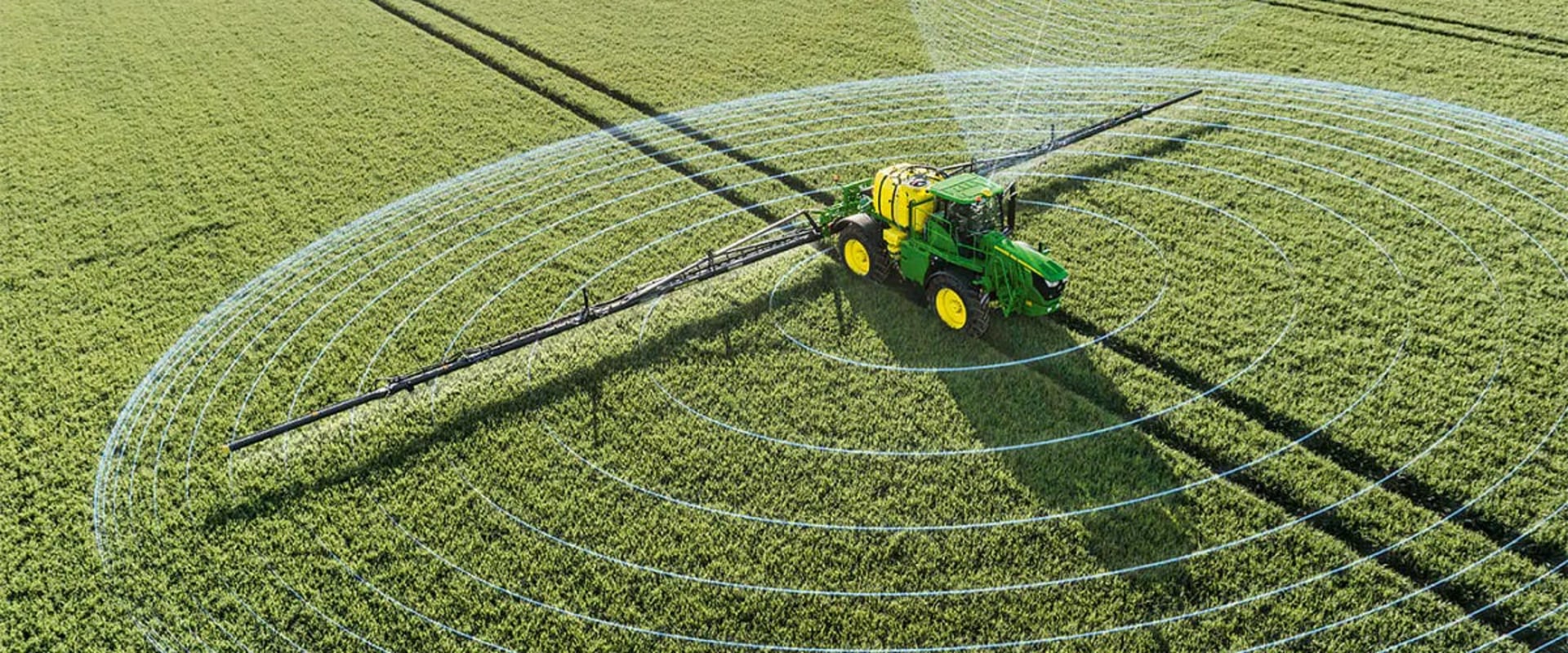
One of the most significant trends in sustainable farming is the rise of precision agriculture. This approach utilizes technology such as GPS, drones, and IoT (Internet of Things) devices to monitor crop health, soil conditions, and weather patterns in real-time. By collecting and analyzing data, farmers can make informed decisions about resource allocation, reducing waste and minimizing environmental impact.
For instance, precision irrigation systems can deliver water directly to the roots of plants, conserving water while ensuring optimal growth.
2.Regenerative Agriculture
Regenerative agriculture is gaining traction as a holistic approach that goes beyond sustainability. It focuses on restoring soil health, increasing biodiversity, and enhancing ecosystem services. Techniques such as cover cropping, no-till farming, and agroforestry are integral to this method. By improving soil structure and fertility, regenerative practices can sequester carbon dioxide from the atmosphere, contributing to climate change mitigation.
3.Vertical Farming
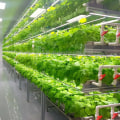
Urbanization has led to a growing interest in vertical farming, which allows for food production in urban settings using stacked layers of crops.
This method significantly reduces land use and transportation emissions while providing fresh produce to city dwellers. Innovations in hydroponics and aeroponics are making vertical farming more efficient and accessible.
4.Biotechnological Advances
Biotechnology is set to play a crucial role in the future of sustainable agriculture. Genetic engineering and CRISPR technology can create crops that are more resilient to pests, diseases, and climate extremes. These innovations can lead to higher yields with fewer chemical inputs, aligning with the principles of sustainable farming.
5.Community-Supported Agriculture (CSA)
The CSA model is gaining popularity as consumers seek more direct connections with their food sources.
By subscribing to local farms, consumers support sustainable practices while receiving fresh produce regularly. This trend fosters community engagement and encourages local economies.In conclusion, the future of sustainable farming is bright with potential innovations that promise to enhance productivity while protecting our planet's resources. As these trends continue to evolve, they will play a pivotal role in shaping a more resilient agricultural system that benefits both farmers and consumers alike.
Conclusion: The Path Forward for Sustainable Farming
As we reflect on the multifaceted benefits of sustainable farming, it becomes clear that this approach is not merely a trend but a necessary evolution in our agricultural practices. The challenges posed by climate change, resource depletion, and environmental degradation demand immediate and effective solutions.Sustainable farming offers a pathway that not only addresses these pressing issues but also enhances food security and promotes biodiversity.Throughout this article, we have explored various sustainable practices, from crop rotation and organic fertilizers to innovative technologies like hydroponics and renewable energy sources. Each method contributes to a holistic system that prioritizes the health of our planet while ensuring that farmers can thrive economically. By embracing these practices, we can mitigate the adverse effects of conventional agriculture, such as soil erosion, water pollution, and loss of habitat.Moreover, the importance of community engagement cannot be overstated. Supporting local farmers who implement sustainable methods fosters a resilient food system.
Consumers play a crucial role by choosing to purchase organic and sustainably sourced products. This not only encourages farmers to adopt eco-friendly practices but also helps create a market that values sustainability over short-term gains.In conclusion, the path forward for sustainable farming is paved with collaboration among farmers, consumers, policymakers, and researchers. By investing in education and resources for sustainable practices, we can empower farmers to innovate and adapt to changing conditions. It is essential for all stakeholders to recognize their role in this journey towards sustainability.As we move forward, let us commit to supporting sustainable farming initiatives that protect our environment and ensure a healthier future for generations to come.
Together, we can cultivate a world where agriculture thrives in harmony with nature.